Why do beaver dam analogs matter
Healthy streams aren’t straight, tidy ditches—they’re messy, branching systems with room to flood, abundant vegetation and wood, and connected wetlands. When they function like that, they deliver clean water, support working lands, cool and sustain flows for fish and wildlife, buffer drought, blunt floods and wildfire, and boost local economies.
What’s gone wrong
Across the West, decades of channel straightening, levees, bank “armoring,” historic grazing practices, and other alterations have simplified streams and cut them off from their floodplains. The result: flashier runoff, warmer water, degraded habitat, stressed aquifers, higher costs after disasters, and fewer places for people to hunt, fish, and recreate.
What works (and why BDAs fit)
Beaver Dam Analogs (BDAs) are practical, proven fixes that “slow, spread, and sink” water and give rivers room to move, they:
- Reconnect streams to their floodplains—let floodplains flood.
- Add structure (wood, logjams) and encourage beavers where appropriate.
- Use low-tech, process-based restoration (LTPBR) tools to raise water tables, trap sediment, cool water, rebuild wetlands, and create resilient habitat for trout, pronghorn riparian corridors, birds, and more.
- Pair restoration with smart grazing management; remove small, obsolete barriers that block fish and impair natural processes.
- Mimic beaver work, are cost-effective, can be built and maintained with local crews, and kickstart natural processes that keep improving the system after we leave.
Trout Creek BDA Project
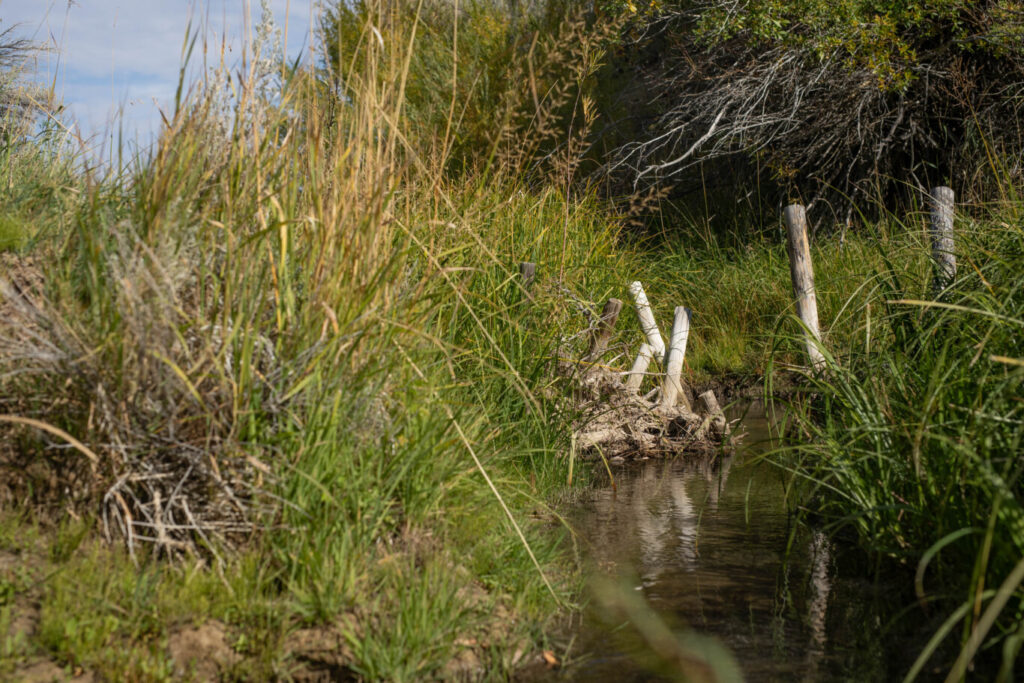
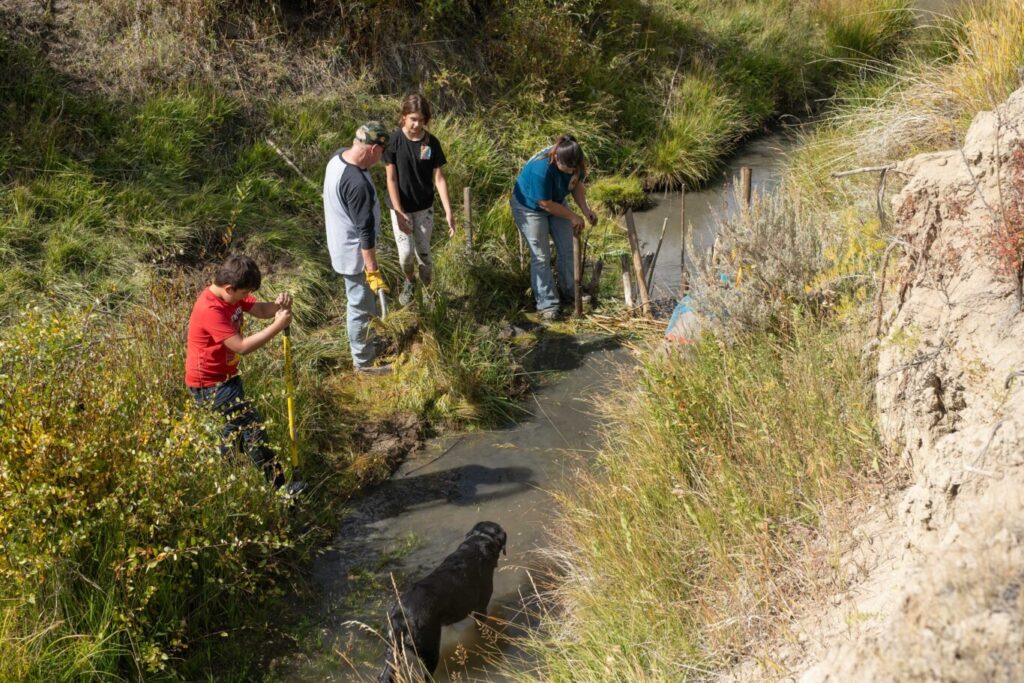
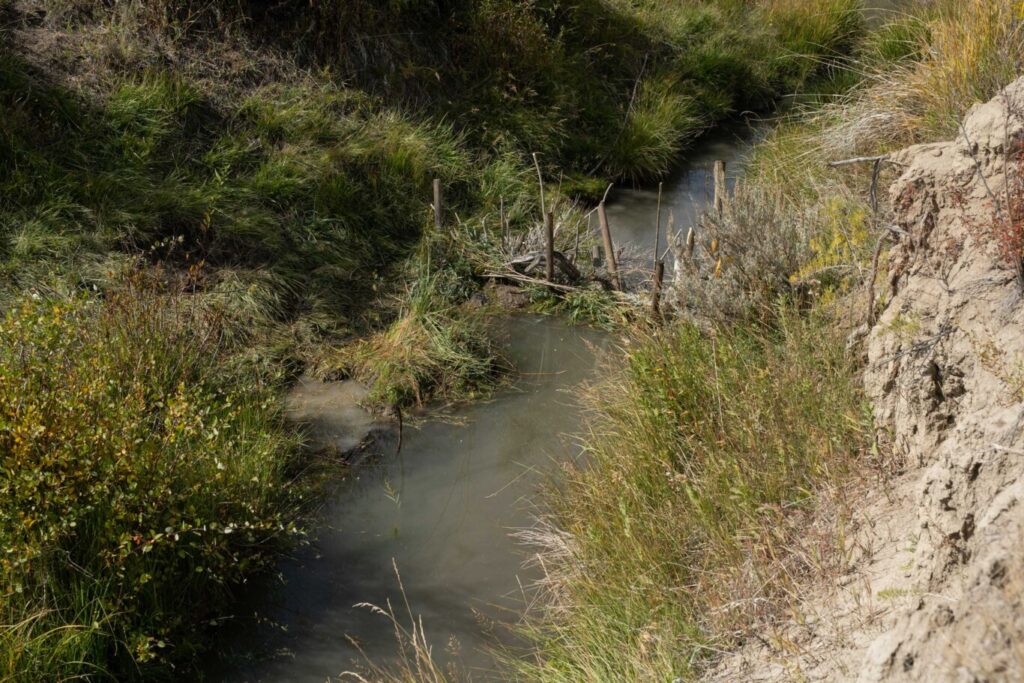
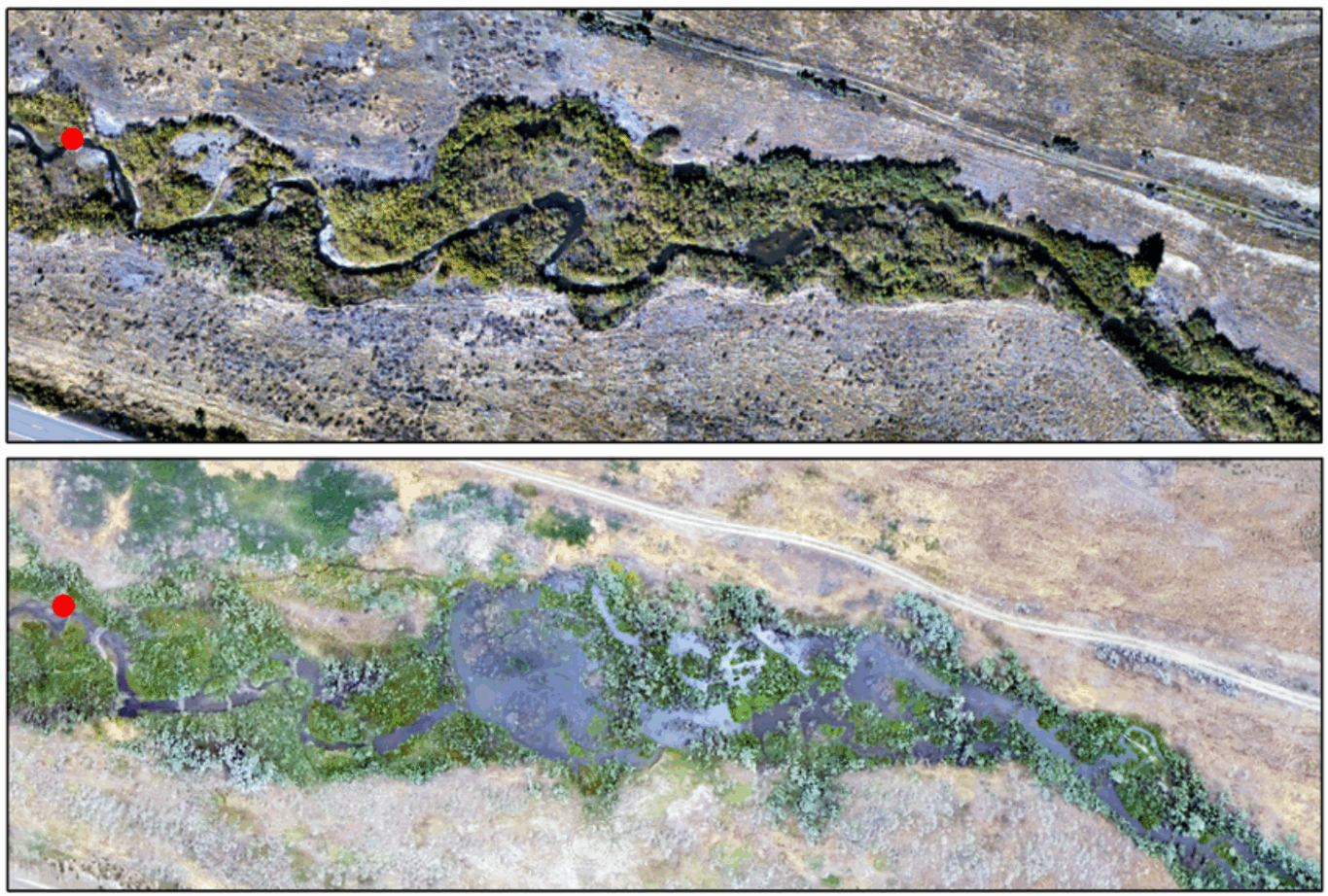
The project on Trout Creek at Ramsay Ranch (owned by the Ramsay family who have been instrumental in this work) began in 2020 thanks to the folks at Trout Unlimited and the owners of Ramsay Ranch. Trout Creek has the ingredients to respond quickly to LTPBR—BDAs can lift the water surface, reconnect the channel to its floodplain, store more moisture in the valley bottom, and create habitat “starting points” for natural recovery.
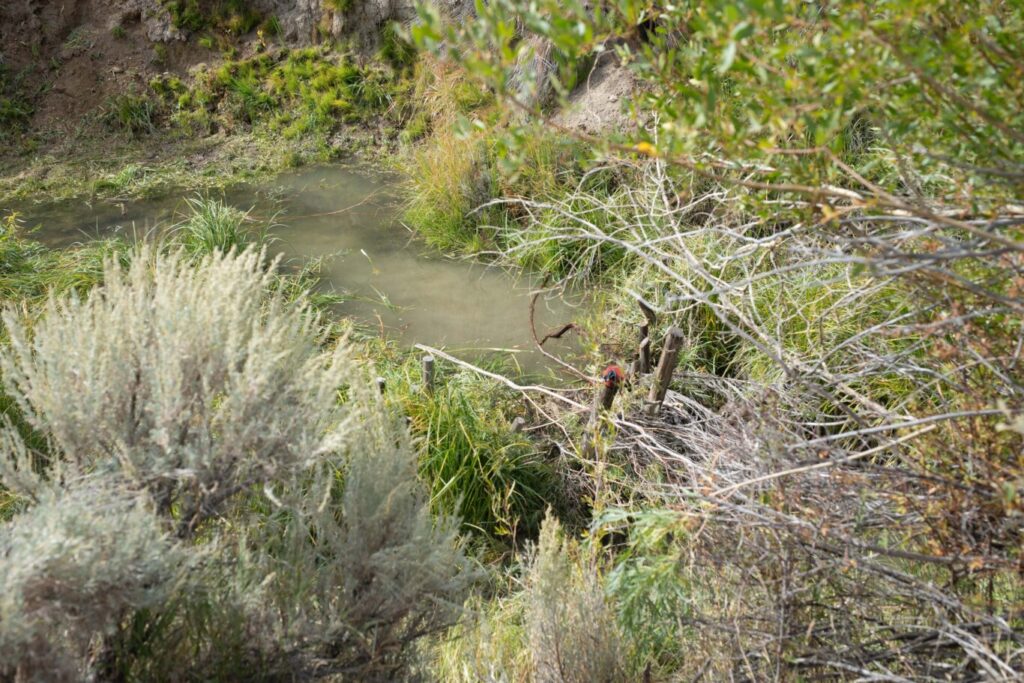
More than 100 beaver dam analogs have been installed along the creek since the project's inception. It's a fantastic example of the work and positive change that can be accomplished when we all work together.
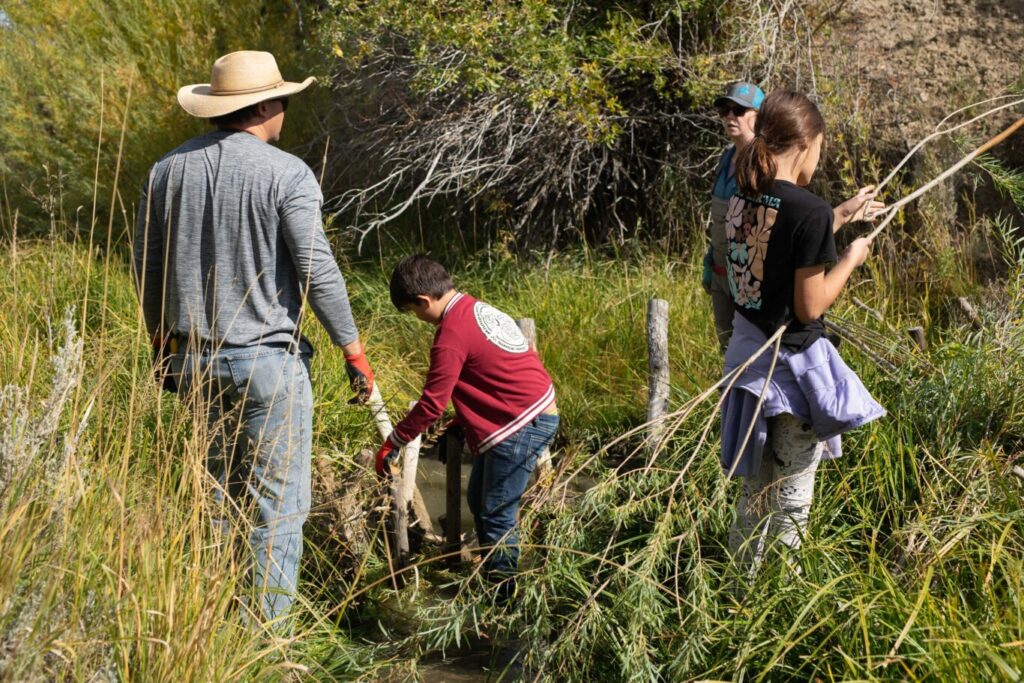
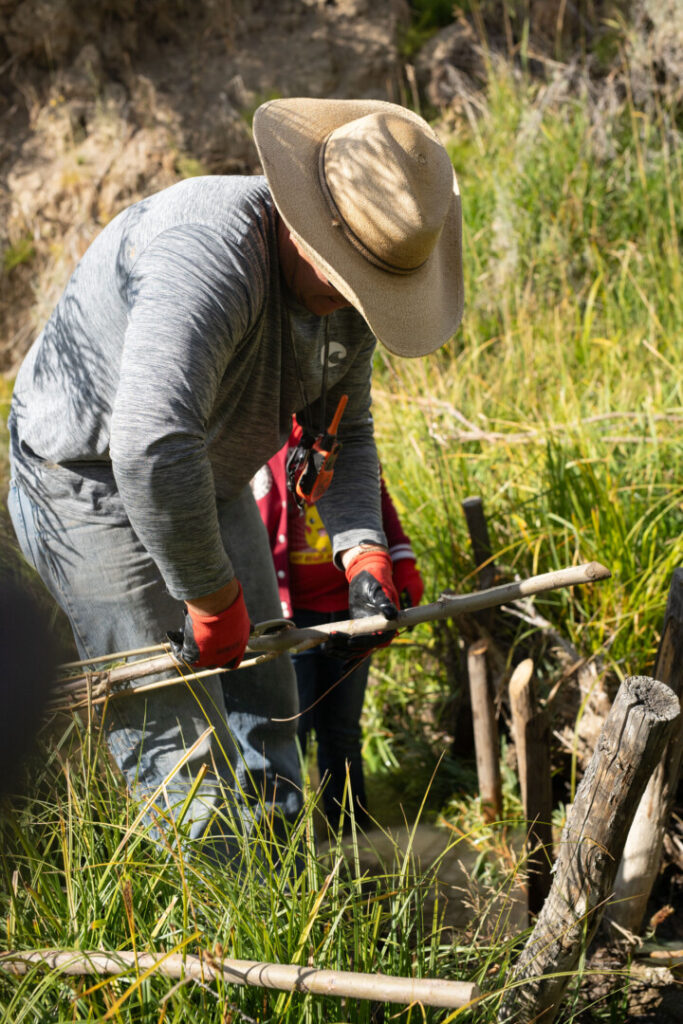
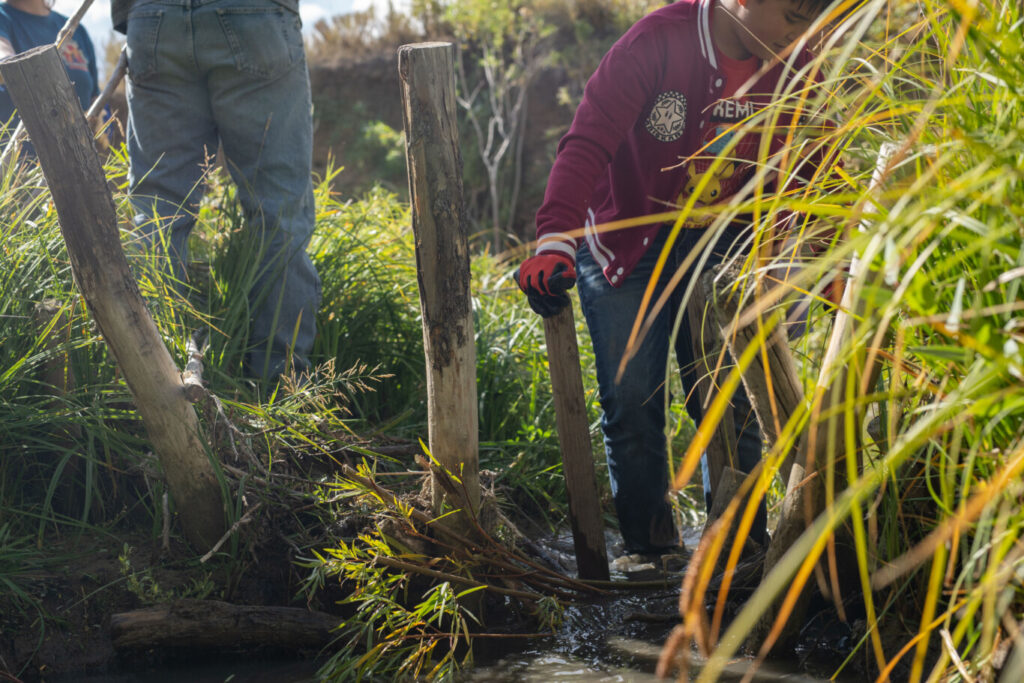
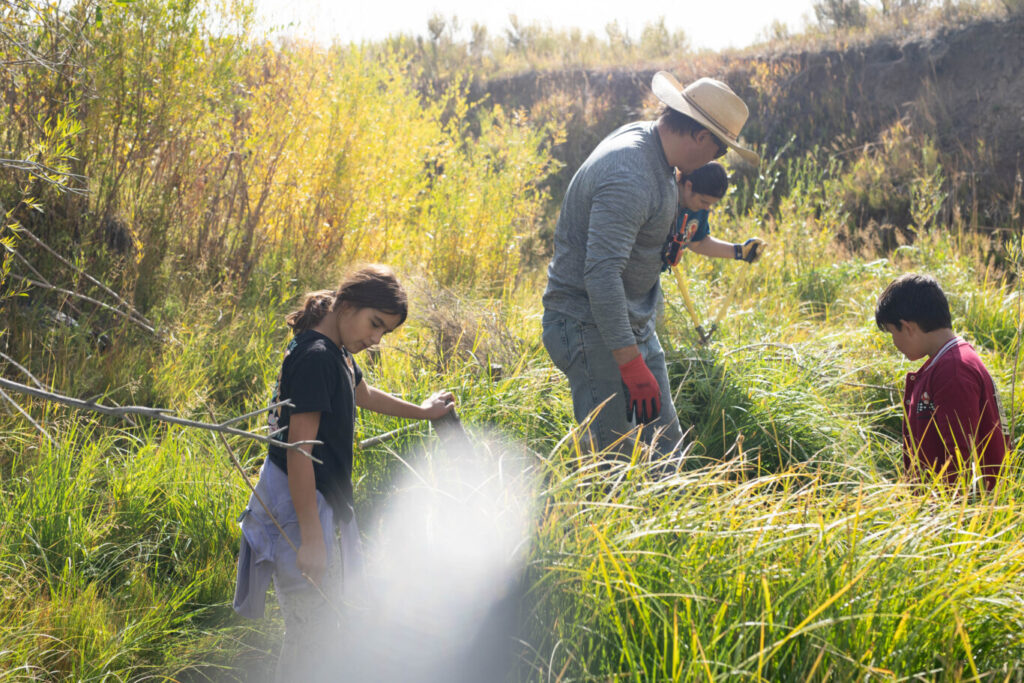
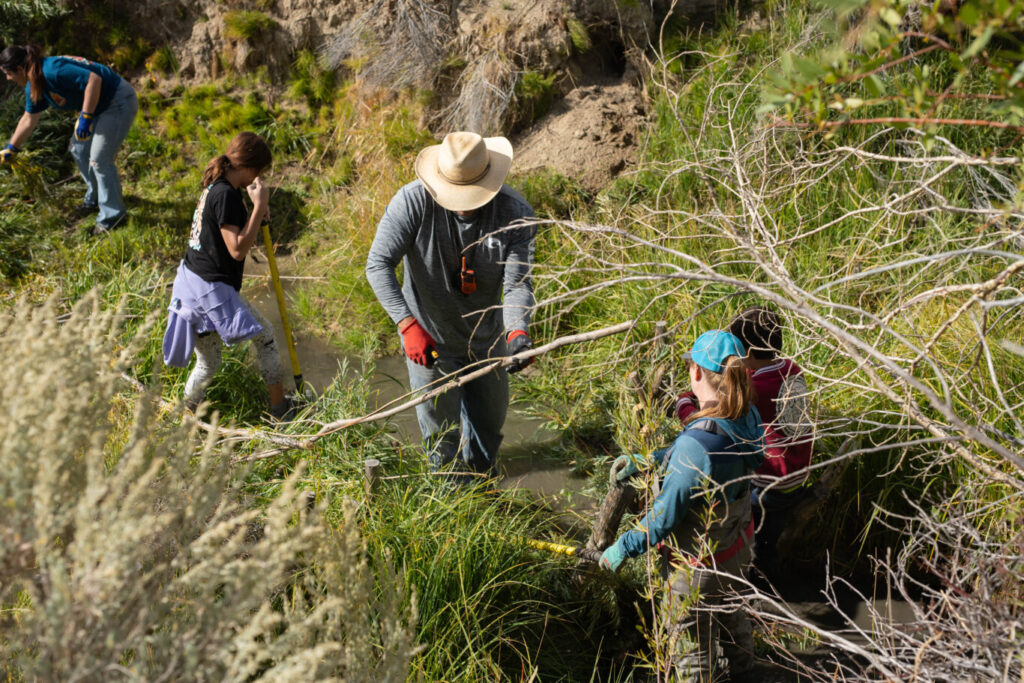
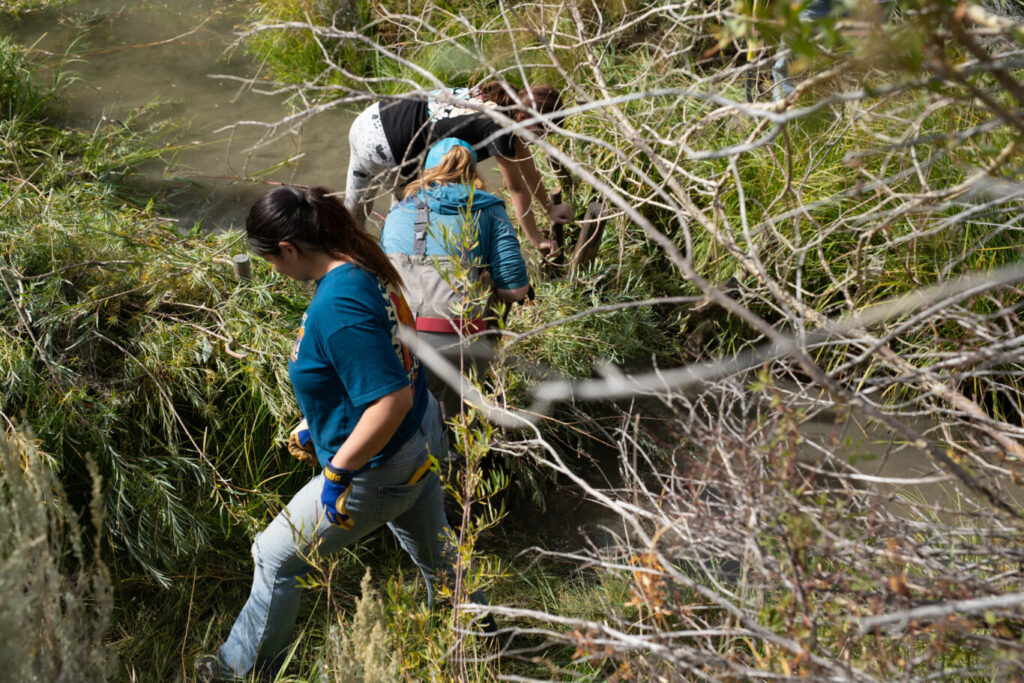
A number of beaver colonies have moved into the area since and measurable change can be seen in the growth of riparian areas. On our last work day out there with Trout Unlimited on September 26th, we repaired a number of the BDAs that needed maintenance and reconstruction.
Join us / support the work
This is a pragmatic, common-sense, “wildlife-crosses-the-aisle” approach: fix the function, and wildlife, water, and communities all win.
If you’d like to help us scale similar projects, consider supporting future volunteer days, community monitoring, or dedicated restoration funding. You can stay up to date with upcoming volunteer days by signing up for our email newsletter.
Check out the story of the 2022 Trout Unlimited x WWF Trout Creek Project here.