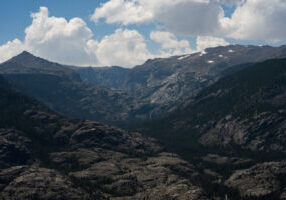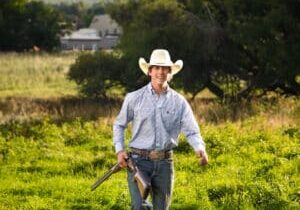
Wyoming is different. Our wide-open landscapes, iconic wildlife, working lands, cold rivers, and hunting, fishing, and trapping traditions are part of who we are.
For nearly 25 years, the Roadless Area Conservation Rule has helped conserve some of the most intact wildlife habitat and headwaters on our national forests. In Wyoming, that includes roughly 3.2 million acres of public land important to elk and other big game, native trout, hunters, anglers, and generations of Wyoming families.
Now, the U.S. Department of Agriculture is proposing to rescind the Roadless Rule nationwide.
We think there's a better way.

HOW WE GOT HERE
The Roadless Rule was adopted in 2001 following an extensive national public process that included more than 400 public meetings and roughly 1.6 million public comments.
The idea was practical: conserve large, intact areas of our national forests while being thoughtful about adding new roads to a Forest Service system that was already extensive and expensive to maintain.
The rule primarily limits new road construction and certain timber activities in designated roadless areas. These lands remain working, multiple-use national forests where people hunt, fish, trap, graze livestock, camp, hike, and recreate. Forest-health work, wildfire mitigation, habitat restoration, and other management activities can also occur.
For hunters and anglers, that balance matters.
Roads provide important access and allow land managers to do necessary work. Intact country provides wildlife with secure habitat, protects cold-water headwaters, and gives hunters and anglers the backcountry experiences that are part of Wyoming's sporting heritage.
Responsible access matters. Secure habitat matters. Good forest management matters. We can have all three.
WHY THIS MATTERS IN WYOMING
Wyoming has roughly 3.2 million acres of national forest lands covered by the Roadless Rule.
These landscapes include important big-game habitat, native trout waters, headwaters, and some of our best backcountry hunting and fishing country. They are places where Wyomingites hunt elk with family and friends, fish cold mountain streams, graze livestock, camp with their families, and head into the backcountry every fall.
They are also part of the connected landscapes wildlife need to move, feed, reproduce, and find security.
There is a practical management consideration, too. The Forest Service already maintains an enormous road system, and every additional road brings long-term costs for maintenance, stream crossings, erosion control, and repairs. Taking care of the infrastructure we already have while being thoughtful about where additional roads are truly necessary is good stewardship.
WE AGREE ON THE PROBLEM. WE DISAGREE ABOUT THE REMEDY.
Wyoming's national forests face real challenges from wildfire, drought, insects, disease, and changing conditions.
They need active, thoughtful management.
The Roadless Rule is nearly 25 years old. If land managers can identify specific places where the rule creates barriers to necessary work, let's understand those problems and fix them.
Bring hunters, anglers, trappers, ranchers, local communities, land managers, foresters, and conservation partners together. Look at what is working. Identify what isn't. Make practical changes where they're needed while maintaining protections for intact wildlife habitat that are working for Wyoming.
That's how we get things done in Wyoming.
When something needs fixing, we fix it. We don't throw it away.
MAKE YOUR VOICE HEARD BY OCTOBER 6
The U.S. Department of Agriculture is accepting public comments on its proposal through October 6.
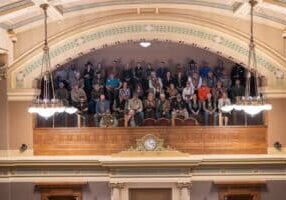
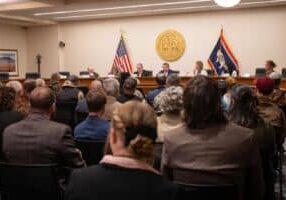
This is an opportunity to tell decision-makers what Wyoming's roadless country means to you and what you believe should happen next.
The most effective comment is your own. Tell decision-makers who you are, where you're from, what places you know, and why this decision matters to you.
POINTS TO CONSIDER IN YOUR COMMENT
- Tell your Wyoming story. Share where you're from and your connection to hunting, fishing, trapping, ranching, forestry, recreation, or a particular piece of national forest. Describe a personal experience that shows why this country matters to you.
- Explain why intact habitat matters. Wyoming's roadless areas include important big-game habitat, native trout waters, headwaters, and backcountry hunting and fishing country. Explain what you value about these places and what you want future generations to experience.
- Support active, practical forest management. Wyoming's forests need thoughtful management to address wildfire, forest health, and changing conditions. Ask USDA to identify specific management challenges and develop practical solutions that address them.
- Talk about the balance between access and secure habitat. Roads are important for public access and forest management. Intact country is important for wildlife, watersheds, and quality hunting and fishing. Ask USDA to be thoughtful about where additional roads are truly needed and consider the long-term costs they create.
- Ask USDA to fix what needs fixing. Encourage the agency to work with hunters, anglers, trappers, ranchers, local communities, land managers, and conservation partners to improve the rule where necessary while maintaining protections that are working for Wyoming's wildlife and sporting heritage.
Your experience matters. Your story matters. Make your voice heard by October 6.